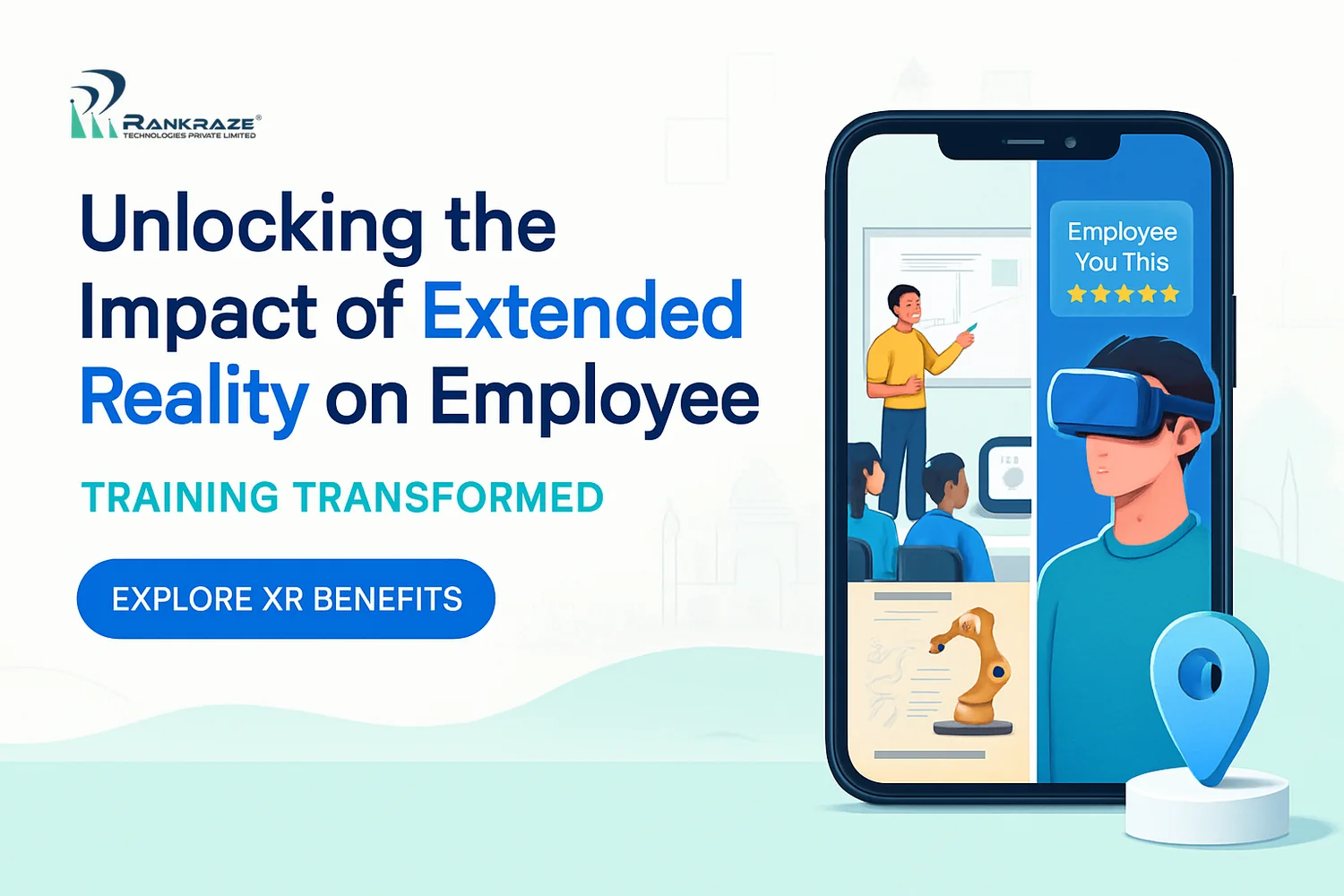
Introduction: The Impact of Extended Reality on Employee Training
Extended reality (XR) is changing how Indian companies train workers. This article looks at XR’s benefits, costs, and problems using real data and case studies. You will learn how XR compares with old training methods and what steps help make XR work well.
XR includes Virtual Reality (VR), Augmented Reality (AR), and Mixed Reality (MR). These tools mix digital and real worlds. Indian businesses use XR to lower staff turnover, close skill gaps, and speed up training.
XR vs Traditional Training Methods: Key Differences and Benefits
There are clear differences between XR and traditional training. XR puts employees in real-like situations, so learning is active. Old training often uses lectures and slides, which are passive and less helpful.
A PwC study found VR-trained employees were 275% more sure of their new skills. Indian companies like Tata Consultancy Services and Infosys use XR for onboarding and technical lessons. One Bangalore IT firm cut onboarding time by 40% after using XR, says a 2023 NASSCOM report.
Extended Reality Employee Training Benefits
XR training gives several clear benefits over traditional methods:
More engagement and focus during training
Better skill recall and confidence
Same training for workers at different places
Lower long-term costs by reducing travel and trainer fees
Faster learning for both new and current employees
A Chennai auto parts supplier used AR to help train new technicians. This led to 30% fewer assembly mistakes and cut training time by half in six months, says a 2022 CII study.
XR Training Case Studies India: Real-World Success Stories
Indian organizations are sharing their XR results. A Mumbai hospital group used VR for junior doctor practice. Dr. R. Mehra, HR Chief, said, “Our trainees moved to real surgeries faster and with better skill. Patient safety scores also got better.”
Tata Steel used AR for equipment training in Jamshedpur. They saw a 25% drop in machine downtime and better safety, as their 2023 report says. In Hyderabad, plant operator S. Kumar said, “AR let me fix mistakes myself from day one. Before XR, I waited for help.”
XR Training Implementation Guide: Steps for Indian Businesses
This step-by-step XR training guide helps Indian companies begin:
Check training needs and tech readiness at each site.
Pick XR type based on skills you want to teach (VR, AR, or MR).
Choose hardware that fits your workplace, like Meta Quest 2 for VR or Microsoft HoloLens for AR.
Make content using real job tasks, not generic lessons.
Add XR modules to your Learning Management System (LMS) for tracking.
Test with a small group, get feedback, and improve before expanding.
Involve managers and frontline workers in every step. This makes sure the training is useful and practical.
Cost of XR Training Programs: What to Expect
The cost of XR training depends on the tech and the size of the project. Hardware like VR headsets or AR glasses cost ₹30,000–₹80,000 each. Content and software add more to the price. A 2023 Deloitte report says initial costs for a medium Indian company range from ₹10–20 lakh.
XR training often lowers long-term costs. Fewer travel days, fewer outside trainers, and fewer mistakes can cover the cost in one or two years. Mahindra & Mahindra saw a 20% drop in yearly training costs after using XR.
Hardware Requirements for XR Training
The hardware you need for XR training depends on your XR choice. VR needs headsets like Meta Quest 2 or HTC Vive and sometimes strong PCs. AR can run on phones, tablets, or smart glasses like HoloLens.
Make sure your devices are tough and easy to use. You need good Wi-Fi and safe networks for smooth training. Test the hardware at your worksite before rolling it out to everyone.
Integrating XR with LMS and Measuring Training Effectiveness
Adding XR modules to your LMS is key for tracking. Use SCORM or xAPI files to record who finished, scores, and feedback. This makes it easier to measure how well XR training works.
Key things to track are:
Completion rates and test scores
How well skills last after training
Fewer work mistakes
Employee satisfaction and engagement
You can use tools like Google Analytics and Google Data Studio to see and study these results.
Security in XR Training Environments
Security in XR training is very important. XR systems may collect private data like user actions and video. Work with IT and compliance teams to set up good encryption, access controls, and data rules.
Choose XR vendors who follow privacy standards like ISO 27001. Ask for proof before signing any deal.
Accessibility in XR Training: Inclusive Solutions
Accessibility in XR training means everyone can join in. Make modules with adjustable text, audio guides, and simple controls. Test with people of different abilities and offer content in several Indian languages.
Follow WCAG standards and get your HR or DEI teams to help review. Use mobile AR for rural or remote sites where headsets are not practical.
Potential Limitations and Drawbacks of XR Training
XR training has some problems. First costs for hardware and content can be high, especially for small businesses. Some people may feel dizzy or sick in VR headsets. Tech issues like device problems and slow internet can stop sessions.
Some workers may not like new training or feel unsure about XR. Explain the benefits, offer support, and get feedback to help them.
Not all skills fit XR. For example, soft skills like negotiation may still need face-to-face coaching. Always test XR training in a small group and check results before using it everywhere.
Conclusion: The Future of XR in Employee Training
XR’s effect on employee training is already clear in top Indian firms. XR brings better engagement, faster onboarding, and fewer mistakes than old methods. Success needs careful planning, clear goals, and steady measurement.
Start with a pilot program focused on real business needs. Measure what happens and make changes as needed. As hardware gets cheaper and content easier to get, XR will become a bigger part of training in India.
Frequently Asked Questions
What is extended reality (XR) and how is it used in employee training?
XR includes VR, AR, and MR. In training, XR puts employees in real-like practice so they can build job skills.
How does XR training compare to traditional training methods?
XR gives hands-on, active learning. Old methods use lectures and slides. XR leads to more engagement, quicker learning, and better skill memory.
What are the costs involved in implementing XR training programs?
Costs include hardware (like VR headsets), content, software, and setup. While starting costs are higher, XR can save money over time by reducing mistakes and travel.
How can businesses measure the effectiveness of XR training?
Track who finishes, test scores, skill memory, and staff feedback. Connect XR to your LMS for easy tracking.
What hardware and technical requirements are needed for XR training?
You need XR-ready devices (VR headsets, AR glasses, or phones), good internet, and safe networks. Test hardware at your site before using it widely.
How can XR training be made accessible and inclusive?
Design for many needs with audio, adjustable text, and many languages. Test with users of different abilities and use mobile AR when needed.
What are the security and privacy concerns with XR training?
XR training collects private data. Use good encryption, access controls, and clear data rules. Work with IT and compliance teams to keep data safe.
How can XR training be integrated with existing LMS platforms?
Make XR modules in SCORM or xAPI for LMS use. This lets you track progress and results easily.
Related Articles
Boost Your Marketing ROI Using AI for Predictive Customer In
How to Seamlessly Integrate React JS with Headless CMS for S
Related Articles
Why Influencer Marketing is a Game-Changer for Indian Startu
The Ultimate Guide to Branding Logo Design for Indian Busine
The Ultimate Guide to Software Application Development for B
Related Articles
What Is Branding? A Comprehensive Guide for Indian Businesse
Step-by-Step Video Production Techniques for Marketing Video
The Complete Guide to Building Brand Identity for Startups w
Step-by-Step Guide to Designing Responsive Corporate Website
Step-by-Step Guide to Pay Per Click Advertising Campaigns in
How AI Services Boost Performance and ROI for Digital Agenci
Best Digital Marketing Strategies for Real Estate, Healthcar
.png&w=828&q=75)