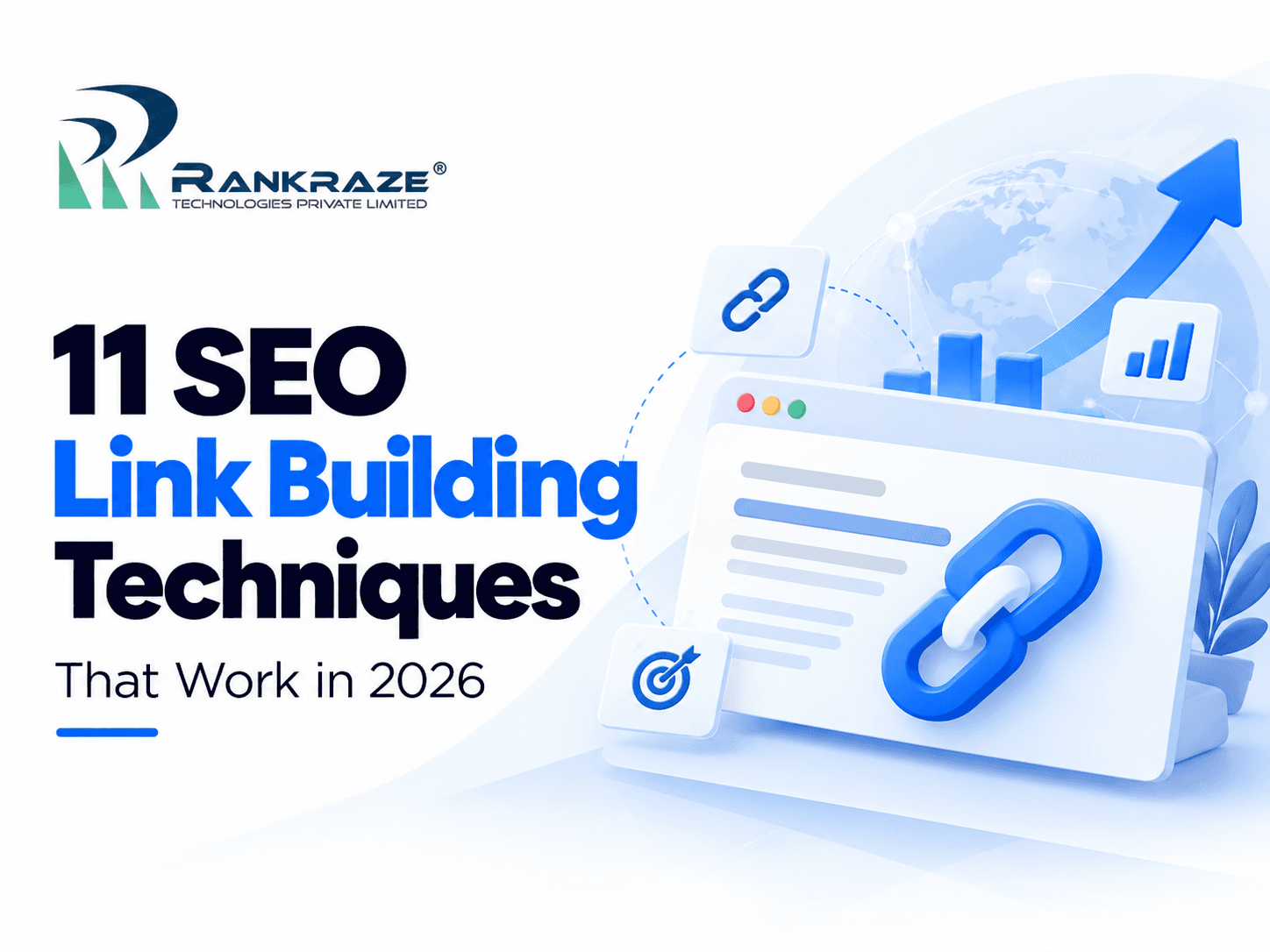
Getting backlinks is not about collecting as many links as possible. It is about earning links from websites that are relevant to your industry and trusted by your audience. In 2026, a strong link building strategy focuses on useful content, genuine relationships, digital PR, and links that bring both authority and referral traffic.
1. Guest Posting on Relevant Websites
Guest posting is still useful when you contribute a genuinely helpful article to a website that shares your target audience. The goal is to reach new readers and earn a relevant backlink, not publish the same article across dozens of blogs.
Why use this technique?
A backlink from a respected industry website can introduce your business to a relevant audience. It can also help readers discover your expertise and services.
How to do it:
Find blogs and publications that cover topics related to your industry.
Check whether they publish contributions from external writers.
Review their existing articles to understand their audience and content standards.
Pitch a topic that offers a fresh angle rather than a promotional article.
Write an original, useful contribution and include a relevant link where it genuinely helps the reader.
Useful resources: HubSpot and Search Engine Journal publish marketing content and are useful places to study editorial standards and topic ideas. Their inclusion here does not mean they accept every guest pitch.
2. Build Links Through Digital PR
Digital PR focuses on getting your business, research, or expert opinion mentioned by journalists, publishers, and industry websites. Unlike traditional link building, you are offering a story or useful information that a publication may want to cover.
Why use this technique?
A genuine mention in a relevant publication can build brand awareness, bring referral visitors, and create opportunities to earn editorial backlinks.
How to do it:
Identify a topic connected to your industry that people are discussing.
Prepare original information, such as survey findings, industry data, or expert commentary.
Create a short press release or media pitch explaining why the information matters.
Find journalists who regularly cover that subject.
Send a personalised pitch with supporting facts and a clear contact person.
Follow up politely and respond quickly if the journalist needs more information.
Useful resources: Muck Rack helps identify journalists and publications. Google Trends helps discover topics gaining attention.
Example: A digital marketing company could publish a study on how local businesses use Google Business Profile to attract enquiries. If the findings are useful and original, marketing publications may choose to reference them.
3. Create Linkable Assets and Original Research
Some pages naturally attract more backlinks because they contain information other websites want to reference. These are called linkable assets.
Examples include original surveys, industry reports, free calculators, useful templates, detailed guides, and research backed by real data.
Why use this technique?
Writers and publishers need reliable sources to support their articles. When your website provides useful information that is difficult to find elsewhere, it gives them a reason to link to your page.
How to do it:
Identify a question people in your industry frequently ask.
Check whether existing resources answer it properly.
Collect original data through surveys, customer research, or internal project analysis.
Present the findings using clear explanations, charts, and examples.
Publish the resource with a descriptive title and an easy to share URL.
Contact relevant writers and websites that may find the research useful.
Example: Publish an annual report comparing website traffic and lead generation trends across selected industries. Make the methodology clear so readers understand where the data came from.
Useful resources: Google Forms for surveys and Datawrapper for creating charts.
4. Find and Replicate Competitor Backlink Opportunities
Your competitors may already have backlinks from websites that are relevant to your industry. Instead of searching for websites randomly, study where those links come from and identify opportunities your business can approach.
Why use this technique?
It helps you find websites that have already shown interest in your industry. You can also discover publications, blogs, and business resources that you may have missed.
How to do it:
List three to five websites competing for your target keywords.
Enter each competitor's domain in Ahrefs Site Explorer or Semrush.
Open the Backlinks report and review referring domains.
Identify links from relevant blogs, industry publications, business resources, and partner websites.
Visit those websites and understand why they linked to the competitor.
Prepare something useful that gives the website owner a reason to mention your business.
Useful resources: Ahrefs and Semrush.
Example: If several competitors have links from interior design publications, an interior design company could pitch an original guide on planning a commercial workspace. The content should offer something useful, not simply ask for the same link.
Our recommendation: Do not copy every competitor backlink. Some may come from irrelevant websites or paid placements. Focus on links that make sense for your audience.
5. Broken Link Building
Broken link building means finding links on other websites that lead to pages that no longer exist and suggesting a useful replacement from your website.
It takes some research, but the approach is simple: you help the website owner fix a poor user experience while giving them a relevant resource to consider.
Why use this technique?
A broken external link can frustrate readers. If you have a genuinely relevant page covering the same subject, the website owner may choose to replace the dead link with yours.
How to do it:
Find industry blogs, resource pages, and guides related to your website.
Use Ahrefs, Semrush, or a broken link checker to identify dead external links.
Open the broken URL and understand what information it previously provided.
Check whether your website has a suitable replacement.
If not, consider creating a useful page that covers the same subject.
Contact the website owner, mention the exact broken link, and suggest your page as an alternative.
Useful resources: Ahrefs Broken Link Checker and Check My Links.
Example: Suppose an educational website links to a guide about choosing a professional course, but the original page has been removed. If your website has a detailed and relevant guide on the same topic, you can suggest it as a replacement.
Our recommendation: Make sure your replacement covers the same subject and is genuinely useful. Sending an unrelated service page will rarely make a convincing request.
6. Convert Unlinked Brand Mentions into Backlinks
Sometimes websites mention your company, product, or brand without linking to your website. These are called unlinked brand mentions.
This is one of the more practical opportunities because the website has already referred to your business. You are not introducing your brand from scratch.
Why use this technique?
A clickable link makes it easier for readers to visit your website after seeing your brand mentioned. It also creates a relevant reference between the publication and your business.
How to do it:
Search Google for your company name using quotation marks.
Check articles, interviews, reviews, and industry discussions mentioning your brand.
Confirm that the page does not already link to your website.
Find the author's contact details or the publication's editorial contact.
Send a short message thanking them for the mention.
Politely ask whether they can link your company name to the relevant page.
Useful resources: Google Search and Semrush Brand Monitoring.
Example: If a business publication mentions RankRaze in an article about digital marketing companies but does not link to the website, a polite request to add the official website link may be appropriate.
Our recommendation: Check whether the link would genuinely help readers. Do not repeatedly contact publishers who have declined or chosen not to add one.
7. Get Listed on Relevant Resource Pages
Resource pages are website pages that collect useful links for a particular audience. They may include recommended tools, educational materials, service providers, industry guides, or helpful websites.
Why use this technique?
A relevant resource page can introduce your website to people who are already looking for information or services in your industry. It can also provide a useful contextual backlink.
How to do it:
Search for resource pages in your industry.
Use searches such as
industry resources,useful websites for businesses, orrecommended tools for SEO.Review the pages to understand what type of resources they include.
Check whether your website has a page that fits the topic.
Contact the website owner with a short explanation of what your resource offers.
Request consideration for inclusion.
Useful resource: Google Search for finding relevant resource pages.
Example: A website offering digital marketing training could approach educational resource pages with a practical SEO checklist or beginner's guide. A generic homepage link would be less useful than a specific resource that matches the page's purpose.
Our recommendation: Prioritise resource pages that are maintained, relevant, and useful to real visitors. Avoid submitting your website to random lists created only to exchange backlinks.
8. Respond to Journalist and Expert Requests
Journalists and content publishers regularly look for professionals who can explain industry topics, provide expert opinions, or share real experiences. Responding to these requests can earn your business media coverage and editorial mentions.
Why use this technique?
A useful expert contribution can give a publication information it needs while introducing your expertise to a wider audience. If the publisher includes a website link, it can also create a valuable editorial backlink.
How to do it:
Register on platforms that connect journalists with expert sources.
Monitor requests related to your industry.
Choose questions you can answer using genuine experience.
Prepare a direct response with specific examples or evidence.
Include a short professional introduction and your website details.
Submit before the deadline and respond quickly to follow-up questions.
Useful resources: Qwoted, Featured, and Source of Sources.
Example: If a journalist is preparing an article about SEO mistakes made by small businesses, a digital marketing professional could explain common technical issues, poor keyword targeting, or ineffective link building practices.
Our recommendation: Do not send generic promotional messages. Journalists need useful answers, not company advertisements. Also, a published mention does not always include a backlink, so treat coverage and links as separate outcomes.
9. Collaborate with Industry Partners
Your suppliers, business partners, clients, and professional networks can become useful sources of relevant website mentions. The key is to build a genuine relationship and create something that benefits both audiences.
Why use this technique?
A relevant collaboration can introduce your business to a new audience and create natural opportunities for editorial links. It can also strengthen your brand's presence within your industry.
How to do it:
Make a list of suppliers, clients, technology partners, and businesses you work with.
Identify partners who publish useful content on their websites.
Look for opportunities such as joint guides, interviews, case studies, or webinars.
Prepare content that provides value to both audiences.
Include relevant links to supporting resources or partner pages where appropriate.
Share the published content through your own channels.
Example: A web development company could collaborate with a hosting provider to publish a guide explaining how website hosting affects performance. Both businesses can share the guide with their audiences.
Our recommendation: Build partnerships around shared knowledge and customer value. Avoid exchanging links repeatedly just to increase backlink counts. Google identifies excessive link exchanges as a link spam practice.
10. Publish Case Studies and Customer Success Stories
A case study explains how a business solved a real problem and what happened after implementing a particular strategy. It is also a useful way to demonstrate experience rather than simply making claims about your services.
Why use this technique?
Other websites may reference your case study when discussing similar business challenges. Industry blogs, professional communities, and publications may find original results useful for supporting their own content.
How to do it:
Select a completed project with clear and measurable results.
Explain the customer's original problem and business requirements.
Describe the strategy, tools, and actions used.
Present the results with accurate figures and a clear time period.
Get the customer's approval before sharing their name or business information.
Publish the case study and share it with relevant industry publications and professional communities.
Example: A digital marketing agency could publish a case study explaining how it improved a client's organic search visibility through technical SEO, content improvements, and relevant link building.
Instead of writing that rankings improved, show the starting position, changes made, time period, and actual outcome.
Our recommendation: Use genuine project data. Do not create fictional results or exaggerate performance to attract backlinks. A detailed case study can also support your website's credibility and help potential customers understand your approach.
11. Reclaim Lost and Broken Backlinks
Sometimes websites that previously linked to your business remove the link, change the URL, or update their content. These links can disappear without you noticing.
Instead of constantly searching for new backlink opportunities, review your existing backlinks and recover relevant ones where possible.
Why use this technique?
A lost backlink means a website that once referred visitors to your content may no longer do so. If the original page still exists and the link was removed by mistake, you have an opportunity to recover that connection.
How to do it:
Open Ahrefs or Semrush and enter your website domain.
Navigate to the lost backlinks report.
Review recently removed links and identify the referring pages.
Open each page to understand why the link disappeared.
Check whether your original page is still available and relevant.
Contact the website owner with the correct URL and politely ask whether the link can be restored.
Useful resources: Ahrefs Site Explorer and Semrush Backlink Analytics.
Example: A business directory previously linked to your service page, but the link stopped working after your website URL changed. If the directory still mentions your company, contact its team and provide the updated URL.
Our recommendation: Review lost backlinks every month. Prioritise links from relevant websites that still have useful content and real visitors.
Which Link Building Techniques Should You Prioritise?
You do not need to use all 11 techniques at the same time. Choose based on your website's current authority, available resources, and industry.
Website situation | Techniques to prioritise |
|---|---|
New website | Industry partnerships and relevant resource pages |
Established business | Digital PR and unlinked brand mentions |
Competitors have stronger backlink profiles | Competitor backlink research |
Website has useful content | Guest posting and broken link building |
Business has original data | Research and digital PR |
Website has existing backlinks | Lost link recovery |
Business has proven client results | Case studies and expert contributions |
Link Building Mistakes to Avoid in 2026
Getting backlinks is useful, but the wrong approach can create more problems than benefits.
Google's official spam policies identify several link practices that can violate its guidelines.
Avoid these common mistakes:
Buying backlinks for ranking purposes: Paying publishers to pass ranking credit through links can violate Google's policies. Paid placements should use appropriate
rel="sponsored"ornofollowattributes.Building links from unrelated websites: A large number of irrelevant backlinks does not make a website more trustworthy.
Excessive link exchanges: Repeatedly exchanging links purely to influence rankings is risky.
Using automated link building services: Avoid tools and services that create backlinks in bulk through comments, directories, or unrelated websites.
Repeating exact match anchor text: Using the same commercial keyword in every backlink can look unnatural.
Focusing only on backlink quantity: Evaluate relevance, editorial context, and whether the link can bring genuine visitors.
How Link Building Supports AI Search and Generative AI Visibility
Link building is no longer just about traditional search rankings. Businesses also want their websites and expertise to be recognised in AI powered search experiences.
Relevant editorial mentions, original research, expert contributions, and consistent brand references can help establish your business's presence across the web.
For example, if your company publishes useful research and industry publications reference it, those mentions give readers and search systems additional information about your expertise.
But one point is important: backlinks do not guarantee citations in ChatGPT, Google AI Overviews, or other generative AI platforms. There is no confirmed backlink formula that guarantees an AI recommendation.
To improve your overall visibility:
Publish original research and useful industry information.
Build genuine mentions on relevant publications.
Keep your company details and service information consistent.
Create pages that clearly explain your expertise.
Use reliable sources to support important claims.
Make your website accessible to search crawlers.
Google's link best practices also explain how descriptive anchor text and crawlable links help search engines understand website relationships.
Google for Developers
Conclusion
Effective link building takes time, research, and genuine relationships. You do not need thousands of backlinks to build a stronger website. Focus on earning relevant links through useful content, industry connections, digital PR, and expert contributions. Review your backlink profile regularly and avoid shortcuts that can put your website at risk.
At RankRaze, the focus is on building SEO strategies that improve website authority, organic visibility, and meaningful business growth. Businesses looking for a digital marketing agency in Chennai can explore strategies that combine technical SEO, content marketing, and quality link building to reach the right audience.
Visit RankRaze to explore digital marketing services.