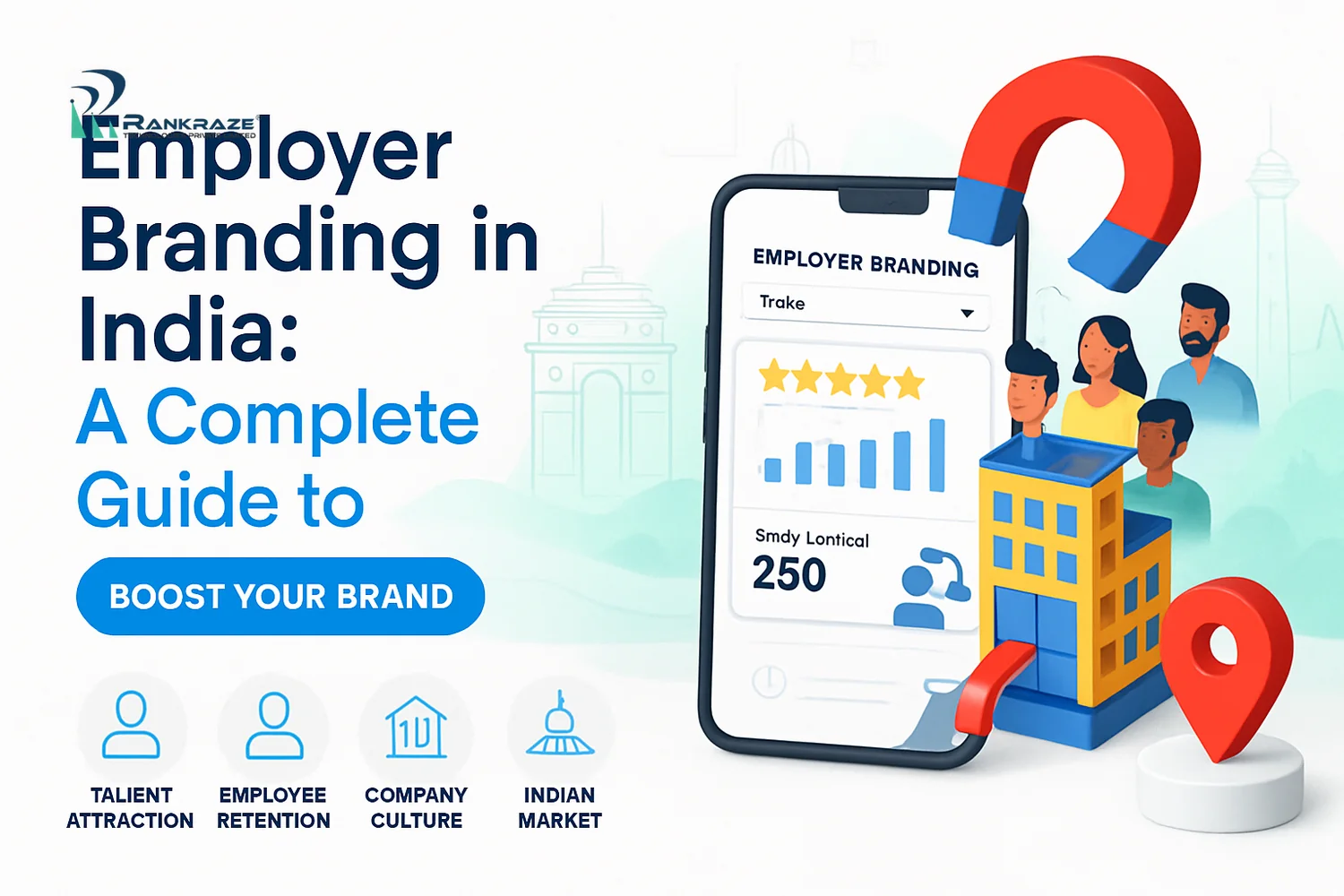
Introduction to Employer Branding: Definition, Importance, and Benefits
Employer branding is how people see your company as a workplace. In India, it is more than catchy slogans or office perks. It grows from real employee stories, word-of-mouth, and online reviews. If you ignore your employer brand, you risk being overlooked in a crowded job market.
The benefits of employer branding are clear. It helps you attract better candidates, keep employees longer, and boost engagement. In India, every Glassdoor review and WhatsApp chat can shape your reputation. A strong brand makes your team proud, and this pride shows in your business and customer service.
To be a top employer in cities like Mumbai or Bangalore, you need more than surface perks. You must be honest and have a clear plan. Let’s look at how you can do this.
Why Employer Branding Matters in the Indian Job Market
The Indian job market is very competitive today. Hybrid work, frequent job changes, and more Gen Z workers make hiring and keeping staff hard. According to ManpowerGroup India, over 60% of employers had trouble filling jobs last year. IT and BFSI sectors saw attrition rates above 20%.
Raising salaries alone does not fix these issues. A strong employer brand draws candidates who want to work with you. Being named a “Best Place to Work” or having employees share wins on LinkedIn builds loyalty. Employer branding also helps raise engagement and productivity.
In my work with Chennai startups, those who invested in employer branding cut attrition by up to 30% in two years. In a crowded market, your culture and growth reputation help you stand out and attract top talent.
How to Build an Effective Employer Branding Strategy
A good employer branding strategy is honest and steady. Here are the steps I use with Indian companies:
1. Audit Your Current Employer Brand and Analyze Competitors
Start by getting honest feedback from your staff and candidates. Use anonymous surveys, exit interviews, and review sites like Glassdoor and AmbitionBox. Compare your results with competitors to spot your strengths and weak areas. For example, in Bangalore’s IT sector, benchmarking helps clients see where they fall behind.
Check employee activity on LinkedIn. Are they sharing company news or staying silent? The gap between your internal culture and public image shows where you need to improve.
2. Define Your Employee Value Proposition (EVP)
Your EVP answers, “Why should India’s best talent pick you?” For example, a Hyderabad SaaS company I worked with focused on fast learning and flexible work. This drew more engineers than just offering higher pay.
Talk to your top employees to learn why they joined and stayed. Use their feedback to find 3–4 main points—like learning, purpose, or inclusion—that set your company apart.
3. Tailor Messaging for the Indian Workforce
Your message should fit local values and culture. What works in a Delhi finance firm may not work in a Chennai factory. Test your messages with focus groups from different regions to make sure they feel real. For example, a Mumbai fintech mixed performance language with social impact to appeal to local talent.
4. Integrate Employer Branding into the Employee Lifecycle
Employer branding should show at every stage—from job ads to onboarding, recognition, and offboarding. In Delhi’s consulting sector, companies with strong onboarding and early praise get more new-hire referrals within six months.
5. Align Leadership and Stakeholders
HR cannot handle employer branding alone. Share your plan with leaders using clear data, like lower hiring costs and better Glassdoor ratings, to show its value. Cross-team efforts help keep everyone on track.
Audit your current brand with surveys and review sites.
Define your EVP by talking to top employees and checking competitors.
Shape your message for India’s workforce, region by region.
Show your brand at every step of the employee journey.
Get leaders and stakeholders involved, linking actions to results.
Content and Channels for Employer Branding
Your employer brand is shaped by every touchpoint with candidates and employees, especially online. You need real and honest content on the right channels to build trust in India.
Popular Social Media Channels in India
LinkedIn is the top site for professionals. Share employee stories, diversity highlights, and leadership tips. Ask staff to engage with posts for more reach.
Instagram works well for younger or creative talent. Share team celebrations, CSR work, and festival events using Reels and Stories to show real moments.
YouTube is great for longer videos like “day in the life” vlogs, leadership Q&As, or workplace explainers.
Facebook helps reach wider or regional groups, especially for community projects.
Creating Authentic Content
Skip the generic testimonials. Show real employee journeys, like a Chennai sales member’s growth or a Delhi engineer’s award-winning project. Use real office photos and share events live during campus drives to show your culture.
Employee Advocacy in Employer Branding
Employee advocacy turns your staff into trusted ambassadors. Give them content and hashtags to use, and thank them with awards or public praise. For example, a Hyderabad IT client saw career page visits rise by 40% in three months after starting an advocacy program.
Using Digital Marketing Tools for Employer Branding
Track engagement on platforms like LinkedIn Recruiter and Meta Business Suite. Use Google Analytics to see which social channels bring quality visitors to your careers page. For paid ads, watch click-through rates and adjust your plan as needed.
Content Type | Best Channel | Example |
|---|---|---|
Employee Stories | LinkedIn, Instagram | Feature a Mumbai techie’s growth from intern to manager |
Office Culture Videos | YouTube, Instagram Reels | “Day in the Life” at your Bangalore office |
Leadership Q&A | LinkedIn Live, YouTube | CEO answers questions from employees and prospects |
CSR Initiatives | Instagram, Facebook | Highlight a Chennai community program or volunteering drive |
Measuring Employer Branding: Metrics, Tools, and ROI
To show real value, measuring employer branding is key. Use clear numbers and tools to track progress and improve.
Key Metrics for Employer Branding
Career Site Traffic: Use Google Analytics to track visits and time spent on your careers page.
Application Rate: Higher numbers mean your brand is working.
Quality of Hire: Percent of new hires rated high-performing after six months.
Cost per Hire: Total hiring spend divided by number of hires.
Offer Acceptance Rate: Percent of candidates who accept your job offers.
Employee Engagement Rate: Participation in surveys, learning, or company events.
Attrition Rate: Percent of employees leaving within a set time.
Glassdoor/AmbitionBox Ratings: Trends in reviews and ratings over time.
Recommended Tools for Measurement
Use Google Analytics to check career page traffic. LinkedIn Recruiter and Meta Business Suite help track post engagement and campaign reach. HR systems can track employee engagement and retention.
Calculating ROI
Watch for changes in key numbers after branding campaigns. For example, a Chennai manufacturing client saw a 15% rise in offer acceptance in six months after launching a new EVP and social media push. This led to lower hiring costs and better retention.
Employer Branding Examples and Case Studies in India
Real results build trust. Here are some examples showing the employer branding recruitment impact:
Tata Consultancy Services (TCS): TCS shares employee success stories on LinkedIn and YouTube. This brings more job applications from engineers.
Freshworks: This Chennai SaaS firm highlights fast career growth and global exposure in its EVP. After starting employee advocacy on LinkedIn and Instagram, Freshworks saw a 35% jump in good applications within four months.
Infosys: Infosys invests in campus hiring and digital learning stories. Their Glassdoor rating went up by 0.3 stars after sharing employee learning journeys and leadership Q&As.
Hyderabad IT Services Client (SME): After starting employee advocacy and celebrating diversity online, this client cut attrition from 28% to 18% in one year.
Challenges in Employer Branding for Indian Companies
Building a strong employer brand in India is not easy. Some common challenges in employer branding are:
Leaders may not focus on employer branding and only care about quick hiring.
Small budgets can limit content and campaign reach.
Mixed messages across regions or teams can confuse people.
Bad reviews or high attrition can hurt your brand.
Measuring ROI is hard without clear tools and steps.
To fix these, start by getting leaders on board with clear data. Keep your message steady and invest in employee advocacy. Use free tools like Google Analytics and ask for honest feedback to spot problems early.
Local vs Global Employer Branding: What Works in India
Local vs global employer branding matters for both Indian and multinational firms. Global campaigns may talk about innovation or diversity, but Indian workers often value stability, growth, and community. Change your message and campaigns to fit local culture, language, and values.
For example, a global tech firm in Pune hired better by adding local festivals and community stories to its global content. This approach connected more with local talent.
Employer Branding Trends 2024
Employer branding trends 2024 in India include:
More focus on employee well-being and flexible work.
Related Articles
The Complete Guide to Building Brand Identity for Startups w
Step-by-Step Guide to Pay Per Click Advertising Campaigns in
How AI Services Boost Performance and ROI for Digital Agenci
The Ultimate Guide To Measure ROI Of Your Digital Advertisin
What Is Branding? A Comprehensive Guide for Indian Businesse
Step-by-Step Video Production Techniques for Marketing Video
.png&w=828&q=75)