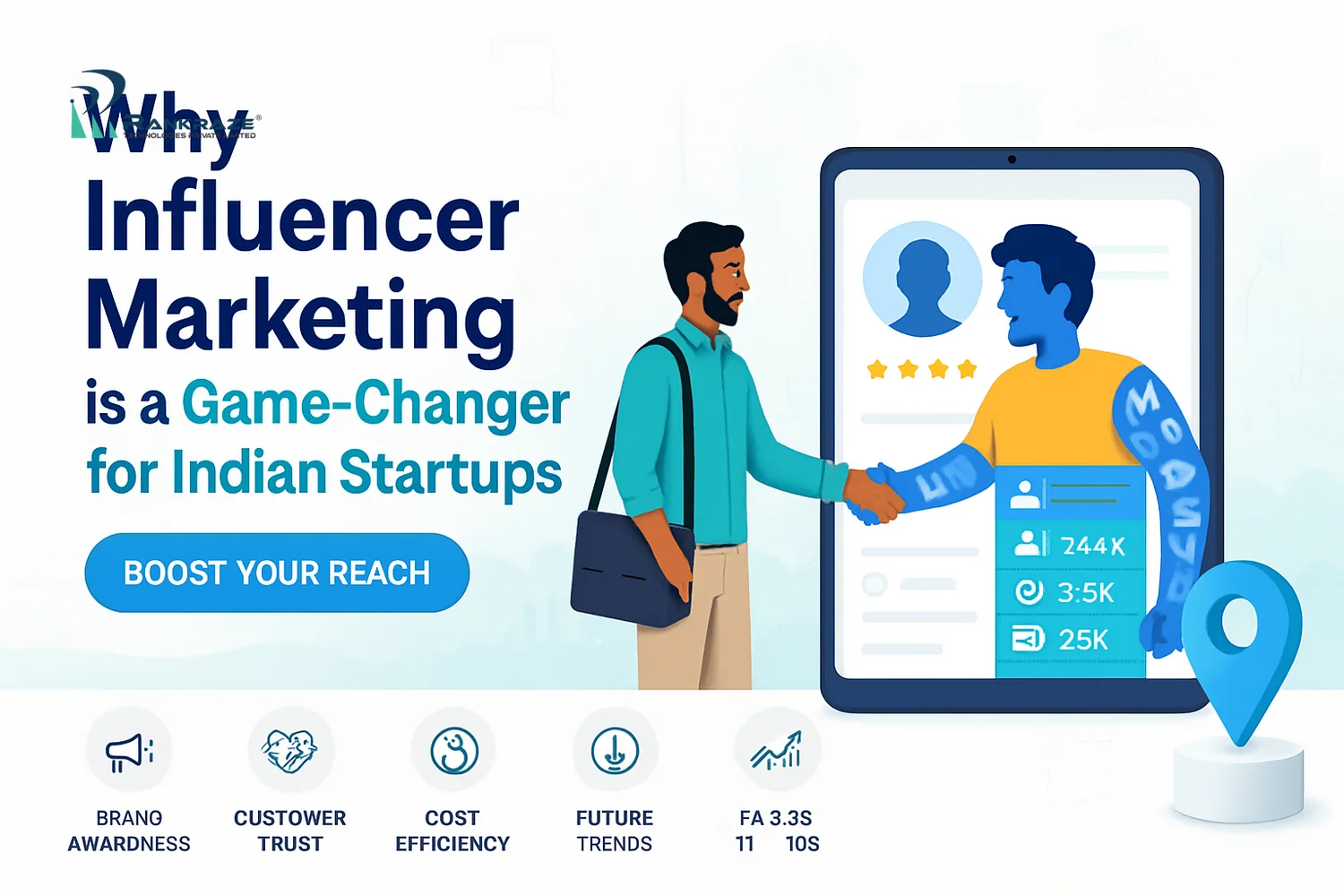
Introduction: Benefits of Influencer Marketing for Startups
Startup founders in India often wonder how to make their brand visible without spending too much. Influencer marketing means working with digital creators who have loyal followers. For Indian startups, this is a practical way to build credibility and brand awareness quickly.
Traditional ads are expensive and often less effective. Many young Indians trust creators more than ads. Influencer marketing uses these trust networks to deliver real results, targeted reach, and measurable growth. Whether you are launching a product or a tech tool, influencer campaigns can help you stand out.
This guide explains the main benefits of influencer marketing for startups. It shares Indian case studies, discusses budget and ROI, highlights common challenges, covers legal basics, and shows how influencer campaigns fit into your digital marketing plan. We also look at future trends for startups in India.
Key Benefits of Influencer Marketing for Startups
Influencer marketing brings credibility, cost savings, and precise targeting. These are important for startups with tight budgets. Here is why influencer marketing is a good choice for startups.
Influencer endorsements build real trust. In India, people often doubt ads but listen to creators they follow. When a popular food Instagrammer reviews your product, their followers notice and act. This trust comes from real relationships, not just money.
Influencer campaigns can lower customer acquisition costs. For example, a Chennai apparel startup cut its costs by 35% in three months compared to Facebook Ads. Engagement also grew. This is important for startups.
Targeting is very focused. Influencer marketing lets you reach specific groups, like vegan city dwellers in Bangalore or fintech fans in Pune. Your marketing money works harder, and every impression matters.
Working with influencers also boosts your social media. When a creator posts about your brand, you get more shares, direct messages, and user content. This helps you gain more followers and better engagement.
For new brands, influencer marketing brings quick momentum. The right creator can increase web traffic, create buzz, and attract media attention. This early boost helps you compete with bigger brands.
Key Takeaways: What Sets Influencer Marketing Apart for Startups
Credibility and trust: Creator endorsements build brand confidence and reduce skepticism.
Cost-effectiveness: Lower acquisition costs and flexible rates suit lean startup budgets.
Precision targeting: Reach engaged communities, not broad, uninterested audiences.
Amplified engagement: Spark conversations and user-generated content, not just passive views.
Rapid market entry: Gain traction quickly and encourage word-of-mouth growth.
Startup Influencer Marketing Case Studies in India
Real examples show how influencer marketing helps Indian startups grow. Here are three case studies with useful lessons.
Case Study 1: Mamaearth and Mommy Bloggers (Gurgaon)
Mamaearth wanted to reach new parents. They worked with parenting creators on Instagram and YouTube. These creators shared honest product reviews and daily tips.
Objective: Build trust and awareness among millennial parents.
Execution: Sent product kits and co-created relatable content.
Outcomes: According to YourStory, Mamaearth’s Instagram following grew five times in a year. Influencer codes drove 20% of early sales, helping the brand beat established competitors.
Case Study 2: Bombay Shaving Company’s Micro-Influencer Push (Mumbai)
Bombay Shaving Company used over 500 micro-influencers to share product experiences. They chose relatable creators instead of celebrities.
Objective: Drive product trials and peer recommendations.
Execution: Sent grooming kits and tracked influencer codes.
Outcomes: As reported by Business Standard, 30% of early D2C sales came from influencer referrals. Acquisition costs were 40% lower than paid social ads.
Case Study 3: Fynd’s Fashion Haul Campaigns (Bangalore)
Fynd worked with Bangalore fashion creators for “style haul” videos. They encouraged followers to join and share their own looks.
Objective: Show product variety and app experience.
Execution: Worked with mid-tier influencers and encouraged user participation.
Outcomes: Fynd saw a 50% monthly jump in app downloads. Its branded hashtag trended locally for two weeks.
What Startups Can Learn
Pick smaller, high-engagement influencers for real impact and lower costs.
Track results using unique codes or landing pages, not just likes or comments.
Design campaigns that invite audience participation to boost organic reach.
Let influencers share real stories, not just scripted product features.
Influencer Marketing Strategies for Startups
Start with clear campaign goals, like sales, leads, or app installs. Choose influencers whose audience matches your target market. Use unique tracking links and promo codes for each creator. This helps you measure real results, not just engagement.
Run small pilot campaigns with a few micro-influencers. Analyze the results before scaling up. Negotiate deals for multiple posts or platforms to get the most from your influencer marketing budget.
Budgeting and ROI of Influencer Marketing for Startups
Many founders worry about costs and results. Influencer marketing can start small and grow as you see returns. Micro-influencers (5,000–50,000 followers) often charge ₹5,000–₹20,000 per post. Mid-tier creators (50,000–250,000 followers) may charge ₹25,000–₹1,00,000 or more.
Costs depend on influencer tier, platform, and campaign type. Instagram and YouTube are usually more expensive. Micro-influencers often give the best value for startups. Always compare influencer costs to other channels like Google Ads or Meta Ads.
To measure ROI, set clear goals like sales or app downloads. Use Google Analytics UTM parameters or custom promo codes for each influencer. Track outcomes, then divide extra revenue by total spend. For example, if you spend ₹1,00,000 and earn ₹3,00,000, your ROI is 3x.
Use tools like Sprout Social or Hootsuite to watch engagement and reach. Review campaign reports often and adjust your strategy based on data.
Budgeting Tips for Startups
Test with three to five micro-influencers before increasing your budget.
Negotiate for multiple posts or cross-platform deals to save money.
Boost top-performing posts with paid ads to reach more people.
How to Find Influencers for Startups
Start by defining your ideal customer. Look for influencers whose audience matches your target group. Use platforms like Influencer Marketing Hub or Upfluence to find and check creators.
Check engagement rates, audience quality, and past brand work. Begin with small, relevant influencers before considering bigger partnerships.
Challenges in Influencer Marketing for Startups
Influencer marketing has its challenges. Common problems include picking the wrong influencers, unclear goals, and weak tracking. Some startups choose influencers only by follower count, missing out on engagement and relevance.
Another challenge is measuring ROI. Without unique tracking links or promo codes, it’s hard to know what works. Content that feels fake or scripted can also hurt your brand. Startups should watch for fake followers and inflated engagement.
To avoid these issues, set clear goals, use tracking tools, and focus on real creators. Review results often and change your approach as needed.
Legal Compliance in Influencer Marketing for Startups
Startups must follow legal rules in influencer campaigns. The Advertising Standards Council of India (ASCI) says creators must disclose paid partnerships. Brands should use clear contracts that list deliverables, timelines, and payment terms.
Always review content before it goes live. This protects both your brand and the influencer from legal risks.
Startup Digital Marketing Integration
Influencer marketing works best as part of a bigger digital marketing plan. Use influencer content in your social media, website, and ads. Sharing influencer-made content in your own posts and ads helps you reach more people and get better engagement.
Match your campaigns with product launches or special offers. This creates a clear brand message and gets better results.
Future Trends in Influencer Marketing for Startups
Watch for more micro and nano-influencers, short videos, and AI tools for finding influencers. Brands will focus more on long-term partnerships and performance-based deals.
As influencer marketing uses more data, startups will get better tools for tracking ROI and audience quality. Rules will become stricter, so transparency will be even more important.
Conclusion: Key Benefits and Considerations for Startups
The main benefits of influencer marketing for startups include building trust, reaching target audiences, and getting measurable growth. Indian case studies show that even with small budgets, startups can drive sales and awareness through the right influencer partnerships.
Influencer marketing has challenges. Startups must pick creators carefully, set clear goals, and track results. Always follow legal rules and focus on real, engaging content.
With a good strategy and regular updates, influencer marketing can help your startup grow. Check your results often and adapt to new trends for continued success.
FAQ
How do I find the right influencers for my startup?
Use influencer discovery platforms, check engagement and audience fit, and start with smaller, relevant creators.What is the average influencer marketing budget for startups?
Most startups begin with micro-influencers, spending ₹5,000–₹20,000 per post. Scale budgets as you see results.How can I measure ROI of influencer marketing for startups?
Set clear goals, track results with UTM links or promo codes, and compare revenue or leads to your total spend.What legal compliance steps must startups take?
Follow ASCI guidelines, use clear contracts, and ensure all paid partnerships are disclosed in influencer content.
Related Articles
Related articles will be injected b
.png&w=828&q=75)