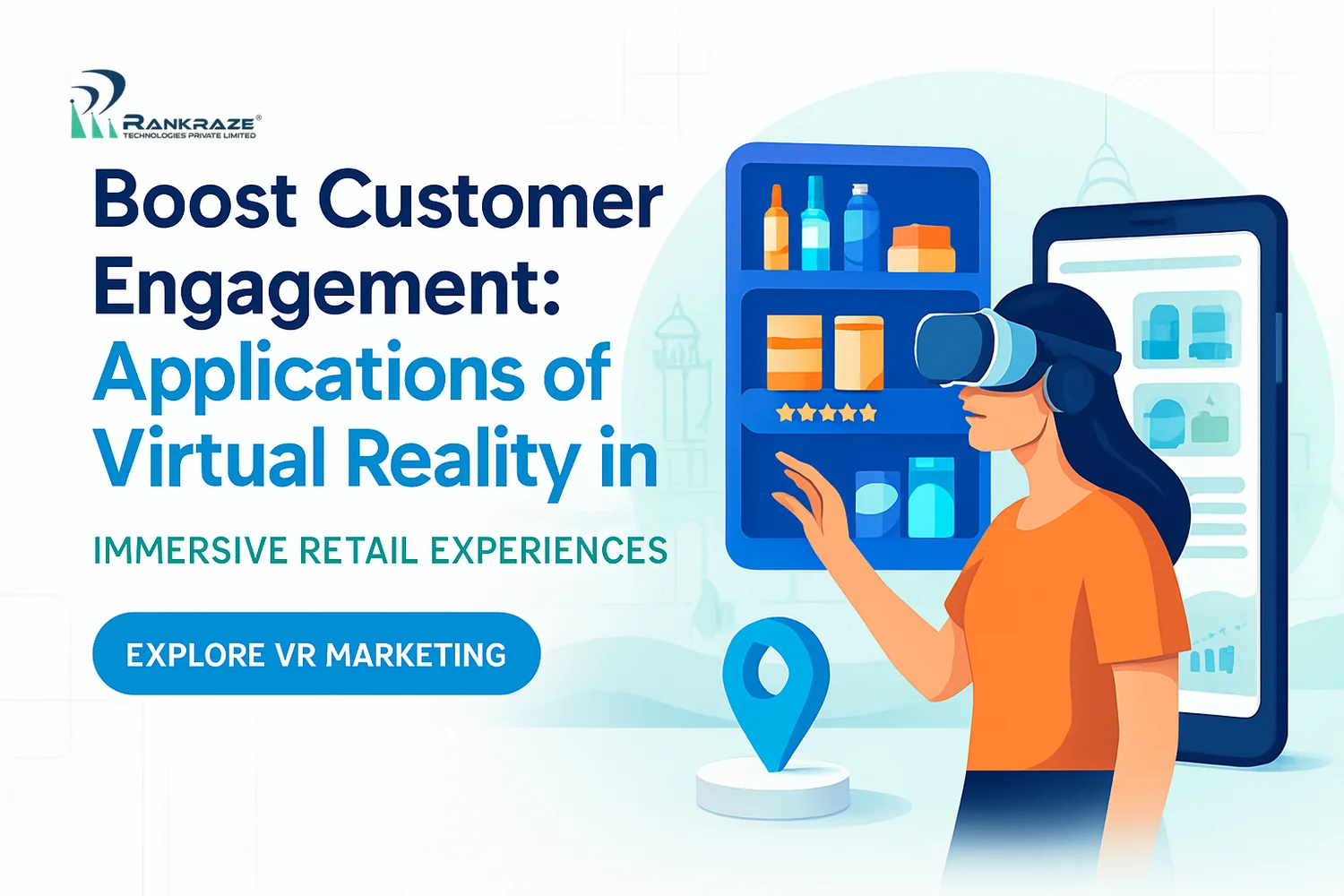
Introduction: Applications of Virtual Reality in Retail Marketing
Virtual reality is changing how Indian brands connect with shoppers. VR lets customers explore products and stores from anywhere. It helps bridge the “touch and feel” gap in online shopping. Both physical and online stores use VR to raise engagement.
Statista says India’s VR market could reach $4.5 billion by 2025, with retail as a big driver. I have seen VR move from a novelty to a necessity in retail, especially in Mumbai and Chennai. This guide shares practical VR marketing ideas, results, and steps to use VR for better ROI.
VR Technologies and Platforms for Retail Businesses in India
Not all VR technology is the same. The best choice depends on your store, customers, and budget. Here are the main VR options for Indian retailers:
Mobile-based VR: Uses smartphones and simple headsets like Google Cardboard. It is affordable and good for mass-market retailers, but graphics are basic.
Standalone VR: Devices like Oculus Quest offer better immersion without a PC. These are popular in luxury showrooms in big cities.
PC-powered VR: High-end headsets such as Oculus Rift need a computer and give the most realistic experience. Use these for flagship events or special launches.
Browser-based (WebVR): Runs in regular browsers and works on low-end devices. This is ideal for India’s diverse market.
When picking a VR platform, focus on making it local, easy to access, and inclusive. Tata Cliq’s mobile VR showroom, available in Hindi and English, is a good example. Make sure your VR works on affordable devices and supports many languages and simple controls.
Key Applications of Virtual Reality in Retail Marketing
The best VR uses in retail help customers trust your brand and reduce doubts before buying. Here are some proven VR retail examples in India:
Virtual try-ons: Lenskart’s “3D Try-On” lets customers see how glasses look on their face using a phone camera. This led to fewer returns and faster buying decisions.
Virtual store walkthroughs: Raymond’s Mumbai store offered a VR walkthrough. Users could browse products and get AI recommendations, helping those who cannot visit in person.
Virtual product launches: Tata Motors launched vehicles in a VR space. Users explored cars in 3D and chatted with sales staff. These events saw higher engagement than regular webinars.
Brands using VR see shoppers stay longer, bounce less, and buy more. These numbers are important for measuring retail marketing success.
Measuring ROI of Virtual Reality in Retail
The return on investment (ROI) from VR in retail comes from real, measurable gains. For example, a Bangalore retailer saw a 15–20% rise in average order value after adding virtual try-ons for premium goods.
Track key numbers like engagement rate, session time, conversion rate, and customer satisfaction. A Chennai retailer’s VR home décor tool led to a big jump in Net Promoter Score, showing happier customers. Always compare these numbers before and after adding VR.
Count all costs, such as content creation, hardware, website integration, and CRM. Start with a small pilot to test demand before investing more.
VR Consumer Behavior in Retail: What’s Changing?
VR changes how people browse, try, and buy products. Shoppers spend more time exploring and feel more sure about their choices after using VR. Lenskart saw fewer returns and more repeat buys after adding VR try-on features.
VR helps customers understand products better and feel more connected to brands. These changes lead to more sales and stronger loyalty.
VR Content Creation for Retail Marketing
Good VR content uses visuals and stories that match local tastes. Work with VR studios that know Indian shoppers and test your content with real users. For example, a Hyderabad jeweler’s Diwali-themed VR showroom—with festive music and local designs—got a big boost in engagement.
Always add tutorials and help options in your VR content. Simple controls and clear instructions make it easy for all ages and backgrounds.
Integrating VR with Retail CRM and Marketing Channels
Connecting VR with your CRM helps you track usage and personalize follow-ups. For example, after a virtual try-on, send a WhatsApp offer based on what the customer tried. Link VR sessions to your CRM (like Zoho or Salesforce) for better insights and targeted marketing.
Use social media, in-store QR codes, and email to promote your VR experiences and encourage customers to share them.
Legal Issues of VR in Retail Marketing
Legal issues in VR retail include data privacy and user consent. VR can collect sensitive data like voice and eye movement. Always tell users what data you collect and get clear consent. Review your process with a legal advisor to follow India’s IT Act and Personal Data Protection Bill.
Addressing Limitations and Objections to VR in Retail
VR adoption in India faces challenges like cost, technical limits, and user access. Slow internet, old devices, and lack of staff training are common problems. Offer options like 3D product viewers or video demos for those who cannot use full VR.
You can manage VR costs with mobile VR and browser-based solutions. Many agencies now offer pilot programs or pay-as-you-go plans, making VR easier for small businesses. Always test with your customers before making big investments.
VR may not fit every product or audience. Some shoppers prefer traditional shopping or are not comfortable with new technology. Watch feedback and usage data to see where VR works best for your business.
The Future of VR in Retail Marketing
The future of VR in Indian retail looks bright. More brands are adopting VR as hardware costs drop. As 5G spreads, VR will become smoother and more available across the country.
Expect brands to connect VR with loyalty programs, social media, and online shopping for seamless journeys. Success will depend on local content, easy access, and strong data privacy.
Conclusion: Key Takeaways on Applications of Virtual Reality in Retail Marketing
VR in retail is bringing real value to Indian businesses. It increases engagement, boosts conversions, and builds trust with customers. Success depends on picking the right platform, making useful content, and tracking results.
VR is not a one-size-fits-all tool. Start small, listen to customer feedback, and grow as you see results. Tackle technical, legal, and cost issues openly. This way, you can use VR’s full power as it shapes the future of Indian retail.
FAQ
What are the main applications of virtual reality in retail marketing?
Virtual try-ons, virtual store walkthroughs, immersive product launches, and interactive showrooms are the main uses.How does VR affect consumer behavior in retail?
VR increases engagement, helps people understand products, and leads to more confident buying decisions.What is the cost of VR implementation in retail?
Costs differ. Mobile and browser-based VR are affordable. High-end setups need more investment.Are there legal issues with VR in retail marketing?
Yes, mostly about data privacy and consent. Always inform users and follow local laws.What does the future of VR in retail marketing look like?
Expect wider use, better local content, and closer links with other digital channels as technology improves.
Related Articles
Related articles will be injected by the pipeline
.png&w=828&q=75)