Top Brand Kit Templates and Examples to Elevate Your Business Branding in India
Introduction to Brand Kits: Definition and Importance
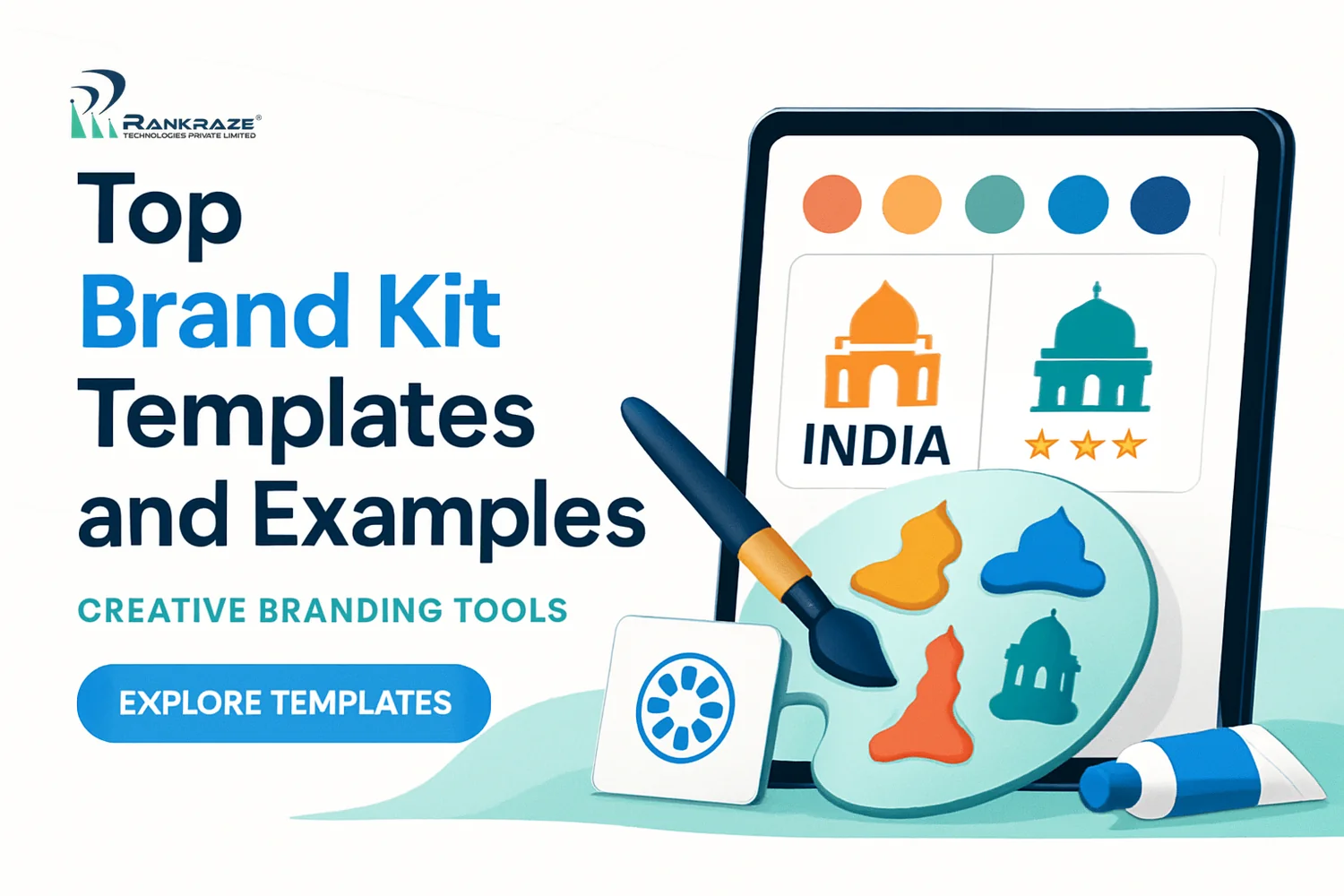
If you’re trying to get noticed in a city like Chennai, Mumbai, or Delhi, you can’t rely on a logo alone. A branding kit is your visual operations manual—every asset, colour, font, and image style, conveniently gathered in one place. It’s not just for designers. It’s the resource your sales team, freelancers, and agencies tap into when they need to create anything that reflects your brand.
I’ve watched Indian SMEs and startups struggle, wasting hours digging up the “right” logo or improvising brand colours. That confusion leads to inconsistent branding, which chips away at trust. A branding kit fixes this. It makes every design task faster and protects your brand’s reputation everywhere—from Instagram stories to printed flyers in a local exhibition.
If you’re investing in digital marketing, a thorough branding kit saves time, cuts production mistakes, and lets you onboard new designers or agencies without hand-holding each step. In my experience, having this kit is the only way to scale a memorable brand identity in India.
Brand Kit vs Brand Guidelines: Key Differences Explained
Let’s get clear on the difference: A branding kit gives you the ready-to-use assets, while brand guidelines are the rulebook for how those assets should be applied. Most clients I work with confuse these two, but each serves a critical and unique purpose.
Brand guidelines act like instructions—they dictate logo placement, appropriate tone of voice, and which colours are forbidden. You need these rules to keep standards intact, especially as your team or agency partners grow.
The branding kit is practical. It’s the folder (or better, a digital workspace) that holds every variation of your logo, all the font files, social templates, and approved photos. When your team rushes to launch a campaign in Bangalore or support a festival sale in Hyderabad, they don’t waste time searching for assets—they open the kit and get straight to work.
You need both: guidelines to set the rules, and a kit to get the job done quickly and consistently.
Comprehensive List of Brand Kit Components
A proper branding kit goes way beyond logos and a splash of colour. To guarantee brand consistency across every touchpoint, your kit should cover all the essentials—especially for businesses focused on digital channels in India.
Here’s what I consistently include when building a brand kit for Indian clients:
- Logo files: Every version (full, icon, horizontal, vertical) in PNG, SVG, and JPEG, suitable for digital and print use.
- Colour palette: HEX, RGB, and CMYK codes for your primary, secondary, and accent colours—this keeps every ad and website page on-brand.
- Typography: All approved font files (including license details) with clear hierarchy for headings, subheadings, and body text.
- Imagery style: Examples of recommended photography, illustration, and iconography, along with do’s and don’ts for stock imagery.
- Tone of voice: Short notes on brand messaging and sample taglines, including translations in key Indian languages (Hindi, Tamil, Telugu, etc.).
- Icon sets: Custom or licensed icons for web, apps, and print applications.
- Stationery templates: Letterheads, business cards, email signatures, and envelopes, all customizable for your team.
- Social media templates: Editable post and banner designs for Facebook, Instagram, LinkedIn, and WhatsApp, tailored for Indian audiences.
- Brand pattern or motif: Any recurring graphic element that reinforces your identity on packaging or backgrounds.
Every element in your kit has a job: making your brand instantly identifiable, so your team—from Delhi to Coimbatore—never has to second-guess brand usage.
Advantages of Digital Brand Kits Compared to PDFs
PDF brand manuals are obsolete. Digital brand kits offer agility that static PDFs can’t. For growing Indian businesses, especially those working with remote teams or multiple agencies, this difference matters a lot.
With solutions like Canva Brand Kit or Figma Libraries, you can update assets instantly. If you change your logo or tweak a colour palette, every user sees the update immediately—no more outdated files lurking on WhatsApp threads or email chains.
Digital kits also plug straight into design platforms. In Canva, for example, upload your brand kit, lock palettes and fonts, and your whole team can create on-brand content—even when people are working from different cities or agencies are involved.
Real-time access and feedback mean your designer in Hyderabad and marketing head in Mumbai can edit and approve assets together. This reduces delays and confusion, and your team will never wonder, “Is this the right logo?”
Step-by-Step Guide to Creating Your Brand Kit
If you want a robust, scalable, and culturally relevant branding kit for India, you need a practical process. Here’s how I approach every brand kit build for clients.
-
Research your audience and competitors:
Start by analysing the competition. Use Semrush or Ahrefs to check out how other brands in your industry look and sound. Pay attention to colour trends, tone, and logos that resonate with your target—whether it’s young professionals in Bangalore or family businesses in Chennai.
-
Define your brand essence:
Get clear on your values, mission, and the emotions you want your brand to evoke. Ask yourself: What do we stand for? That clarity will shape every design and messaging choice.
-
Develop core visual assets:
Work with a designer or use platforms like Adobe Creative Cloud to create your logo suite, select fonts, and build a cohesive colour palette. Go for original visuals, especially if you want to connect with Indian audiences across regions.
-
Assemble your assets into a digital brand kit:
Organize everything—logos, colours, fonts, templates—into a single online platform or shared folder. For digital kits, upload all assets to Canva or Figma, and set permissions so the right people can edit or view.
-
Test for quality and consistency:
Try out your kit in realistic scenarios. Design a social post, email header, and print ad using only what’s in your kit. Check for visual harmony, clarity, and consistency across channels.
-
Gather feedback and refine:
Share the draft kit with your team and a small group from your target audience. Listen carefully, especially for feedback on cultural fit—like how colours or motifs are perceived in different Indian states. Adjust as needed.
-
Roll out and educate:
Launch your kit with a walkthrough or video demo for your team. Make sure everyone knows where to find the assets and how to use them correctly for every campaign.
By following these steps, you don’t just tick boxes; you build a brand kit your team actually uses—one that helps your brand stand out in India, day after day.
Top Tools and Platforms for Brand Kit Creation
The brand kit tools you choose have a real impact on your team's productivity and branding consistency. I’ve run hands-on trials with most major platforms; here’s what works best for Indian SMEs and startups.
| Tool | Best For | Key Features | Pricing (approx.) | Ease of Use |
|---|---|---|---|---|
| Canva | Small teams, non-designers | Brand Kit, social templates, team permissions | INR 499/month (Pro) | Very easy |
| Figma | Collaborative design, UI/UX | Shared libraries, live editing, feedback tools | INR 1,000/month (Team) | Moderate |
| Adobe Creative Cloud | Professional designers | Full suite, cloud storage, asset libraries | INR 4,230/month (All Apps) | Advanced |
| Brandfetch | Quick asset pulls | Logo/brand data scraping | Free; Pro plans available | Easy |
| VistaCreate | Social media kits | Templates, animated assets | INR 650/month | Easy |
Based on real client projects, Canva is my top pick for Indian businesses thanks to its simple interface, massive library of templates, and solid brand controls. If you’ve got a larger or more design-focused team, Figma delivers excellent collaboration and asset management. For full-scale creative teams, Adobe Creative Cloud remains the gold standard.
Whatever tool you use, make sure it supports real-time editing, version control, and user permissions—especially if your team is split across cities or you work with outside partners. This stops outdated or wrong assets from sneaking into your campaigns.
Case Studies: Successful Brand Kit Implementations
Talking theory is easy. Real results are what convince business owners. Here are two real-world examples of Indian brands that used a strong brand kit to drive measurable business impact.
Case Study 1: Chennai EdTech Startup “Learnify”
When Learnify grew from a five-person team to 30 staff members, their marketing became a mess. Multiple logo versions appeared in ads, and social media used clashing colour schemes. We set up a digital brand kit in Canva, with clear usage rules and ready-to-edit templates.
The outcome? In three months, their engagement rate (which measures how users interact with their content) jumped by 45%. Brand recall in customer surveys improved by 32%. Their staff spent less time fixing design errors and more time focused on results.
Case Study 2: Mumbai Boutique Hotel Chain
A mid-sized hotel chain in Mumbai faced inconsistent branding across its properties. We built a digital kit that included templates in English, Hindi, and Marathi, along with custom icons for amenities. Using Figma, all property managers and designers could access and update assets centrally.
In the next quarter, their Net Promoter Score (NPS, which tracks customer loyalty) rose by 18 points. Guests specifically mentioned the professional, memorable look of the brand in feedback.
These are not isolated cases. When you invest in a practical, well-managed brand kit and proper training, improved recognition and marketing results follow.
Maintaining and Updating Your Brand Kit Over Time
A branding kit is not a one-time project. To maintain your brand kit and keep your brand relevant, you need to review and update it regularly—especially in the fast-changing Indian market.
I advise businesses to set quarterly reviews, particularly if you’re rolling out frequent campaigns or new products. Open Google Search Console and Google Analytics; review how your branded assets perform on your site and digital channels. If engagement drops or conversions slow, it could be time for a visual refresh.
Collect feedback with Google Forms from your team and customers. Ask if the assets still feel modern, culturally appropriate, and user-friendly for various campaigns and languages.
Brand Kit Maintenance Checklist for Indian Businesses:
- Check all logo and asset files for relevance and technical quality (no blurry images, correct formats).
- Update colours or fonts if you’re rebranding or expanding into new regions.
- Refresh templates and images for seasonal trends (festivals, local events).
- Document any changes and share updates with your team via email or a shared workspace.
- Move outdated assets to an archive folder so they don’t get reused by mistake.
When you stay proactive, your brand never feels outdated or inconsistent—even as customer preferences change across India.
Common Mistakes to Avoid When Building a Branding Kit
I’ve reviewed many Indian business branding kits and see the same mistakes pop up again and again. If you want your kit to work, here’s what to avoid—and how to fix it.
The biggest mistake is inconsistent asset use. Teams use outdated logos or make up their own colour schemes because the official kit is buried somewhere or outdated. This creates a disjointed brand and erodes trust, especially as you grow or work with multiple agencies.
Another common issue is ignoring cultural context. Colours or designs that connect in Mumbai might fall flat in Kochi or Lucknow. Tailor your imagery, language, and motifs for India’s diverse audiences—don’t just pick what looks good on a Western Pinterest board.
Finally, lack of team buy-in destroys consistency. If your sales, marketing, and design teams aren’t all using the same kit—or aren’t even aware it exists—you’ll end up with a fragmented, forgettable brand.
The solution? Store your kit on a shared digital platform, train every relevant employee, and schedule regular reviews. Make it easy to find, tricky to misuse, and always the first point of reference.
Downloadable Brand Kit Templates and Resources
To save you time, I’ve pulled together brand kit templates specifically for Indian businesses, from retail and hospitality to tech. These templates give you a strong starting point and ensure you don’t miss any essentials.
- Universal Brand Kit Template (Google Slides): Download, add your logo, fonts, and colours, then share the link with your team.
- Canva Brand Kit Template: Import into Canva, drop in your brand assets, and set user roles to control editing access.
- Figma Asset Library: Duplicate the file, add your logo and palette, and give your Bangalore or Hyderabad teams instant access to everything.
For extra ideas and customisation, these resources are especially useful:
- Coolors helps you generate modern colour palettes suited to Indian tastes.
- Google Fonts offers a huge range of free, web-safe typefaces.
- The Noun Project is great for royalty-free, diverse icon sets.
Each template comes with clear instructions. Open the file, swap in your own assets, and save a master copy that’s ready to use.
Integrating Your Brand Kit into Marketing and Design Processes
A branding kit pays off only when it’s embedded into daily marketing and design routines. Here’s my approach to making sure Indian businesses don’t just make a kit—they make it the foundation of every campaign.
Upload your digital kit to a central platform like Canva or Figma. Connect these platforms to your content calendar, CRM, or project management tools like Trello or Asana.
Every new campaign or design brief should start with your kit. For email marketing, load colours and fonts into your Mailchimp or GetResponse templates. On social, pre-load branded assets into your scheduling tool, so every post, reel, or ad looks unmistakably yours.
This approach keeps every customer-facing touchpoint—from digital banners to in-store flyers—consistent and professional, building trust with your customers in every Indian city.
Indian business owners often come to me with similar questions about branding kits. Here are my answers, based on actual brand builds—not just theory.
What is a branding kit and why is it important?
A branding kit is a curated set of your brand’s visuals and messaging—logos, colours, fonts, templates, and voice guidelines. It’s essential for consistent branding, faster design, and stronger recognition in any city or industry.
Can branding kits be customized for different industries?
Definitely. Use industry-specific icons, imagery, and tone. A tech brand in Bangalore should feel different from a jewellery label in Jaipur.
How do I integrate a branding kit into my marketing and design workflows?
Upload your kit to your main design and project management tools, walk your team through it, and make it a requirement for every asset.
What are common mistakes to avoid when creating a branding kit?
Don’t omit key pieces, neglect cultural diversity, or let the kit get out-of-date. Train everyone and keep your kit central for easy updates.
Conclusion: Elevate Your Indian Business Branding with a Comprehensive Brand Kit
If you want a brand that actually gets remembered in India’s crowded markets, a structured branding kit is non-negotiable. It accelerates your marketing, prevents branding errors, and gives you an edge over competitors.
Use the tools, templates, and processes outlined here to build and keep your brand kit up to date. Invest in regular updates, team onboarding, and process integration so your brand stays sharp and trusted at every stage.
When you’re ready to take things further, check out Rankraze’s full suite of guides and branding resources designed specifically for Indian businesses like yours.
```Related Articles
Questions we getasked the most
Clear answers to help you understand this topic and make confident, informed decisions.
A branding kit is a comprehensive collection of visual assets such as logos, color palettes, fonts, and image styles that represent a brand's identity. For businesses in India, it ensures consistent and professional representation across all marketing channels, saving time and preventing errors while building trust and recognition in competitive markets like Mumbai, Delhi, and Chennai.
A branding kit contains the ready-to-use assets like logo files, fonts, and templates needed for marketing and design tasks. Brand guidelines, on the other hand, provide the rules and instructions on how to properly use those assets, such as logo placement, color usage, and tone of voice. Both are essential: the kit facilitates quick execution, while guidelines maintain brand consistency.
A comprehensive branding kit typically includes multiple logo versions (full, icon, horizontal, vertical) in formats like PNG, SVG, and JPEG; a detailed color palette with HEX and RGB codes; typography files; social media templates; approved imagery; and other design elements. These components ensure consistent application of the brand across digital and print media, especially important for Indian businesses targeting diverse audiences.
Popular tools for creating digital branding kits include design software like Adobe Illustrator and Photoshop, as well as user-friendly platforms like Canva and Figma. Additionally, digital brand kit platforms that integrate with marketing workflows help businesses maintain and share assets efficiently. Choosing the right tools depends on the business's needs, technical expertise, and the level of customization required.
A branding kit should be reviewed and updated periodically to reflect changes in the brand strategy, market trends, or product offerings. For Indian businesses, it is advisable to update the kit whenever there's a significant rebranding, new campaign launch, or expansion into new markets to maintain relevance and consistency. Regular updates also help incorporate feedback and improve brand customization.
Still have questions? Let's talk.
Get a free consultation and a personalised strategy — no obligation.
.png&w=828&q=75)